
North Carolina Community Solar Programs

- NC Clean Energy Technology Center (NCCETC) Programs
- Electric Cooperatives and Local Utilities
- Duke Energy’s Shared Solar Program
- Solar for All Program
- NC Department of Environmental Quality (DEQ) Initiatives
- Community Energy Inc. Projects
- Cape Hatteras Electric Cooperative (CHEC)
- Benefits of Community Solar
Are you a North Carolina resident looking to reduce your energy bills and contribute to a sustainable future without the hassle of installing solar panels on your property?
Community solar programs offer a fantastic solution, allowing you to benefit from solar energy through shared solar farms.
In this blog post, we’ll explore the various community solar programs available in North Carolina, their benefits, and provide you with a step-by-step guide on how to apply and become a part of this green revolution.

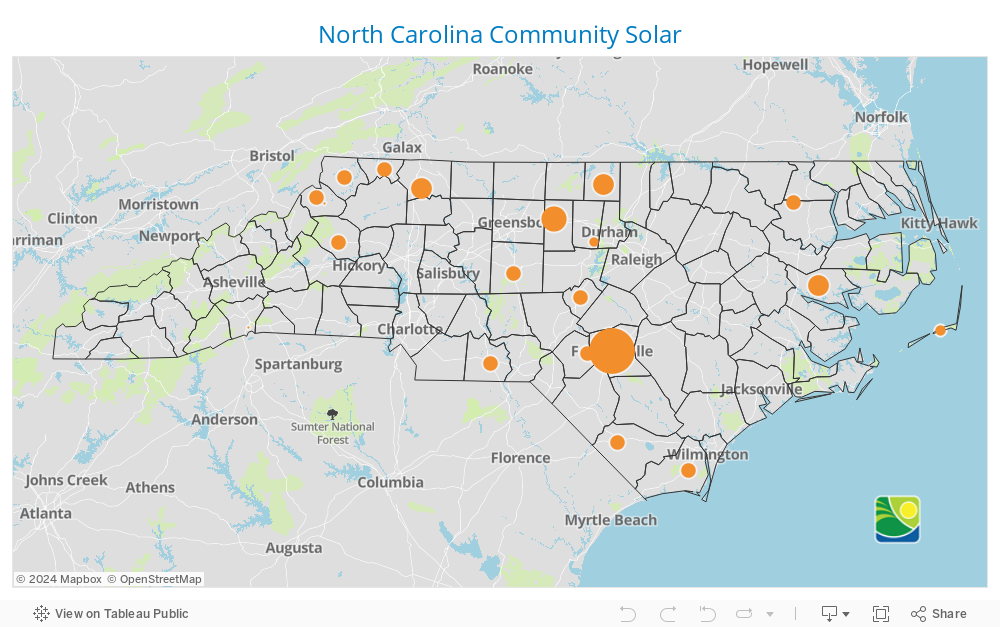
NC Clean Energy Technology Center (NCCETC) Programs
The NCCETC supports various community solar initiatives aimed at increasing solar access for low- and moderate-income (LMI) communities. They work with electric cooperatives, municipal utilities, and state associations to develop and expand community solar programs.
These programs often include educational outreach and financial support to offset subscription costs and provide monthly savings for participants. The NCCETC also provides technical assistance and resources to help develop and implement these programs.
Benefits:
- Low-Cost Solar Electricity: Access affordable solar energy through shared PV systems.
- Flexibility: Programs are designed to be flexible and can be located to maximize local benefits.
- Technical Assistance: Receive support from NCCETC for program design and implementation.
How to Apply:
- Contact NCCETC: Reach out to the NCCETC at communitysolar@ncsu.edu to express interest and get more information.
- Review the Guide: Utilize the “Guide to Designing and Implementing Community Solar Projects at Public Power Utilities in the Southeast” provided by NCCETC.
- Sign Up for a Subscription: Depending on the specific program, you may need to sign up for a monthly subscription or purchase a share of the PV system.
Electric Cooperatives and Local Utilities
North Carolina’s electric cooperatives are leaders in community solar, offering various programs across the state. These cooperatives have installed 19 community solar farms, providing a low-cost, low-risk way for members to benefit from solar technology. Some notable projects include:
- Duplin County: Interconnected with Four County EMC
- Halifax County: Interconnected with Halifax EMC
- Randolph County: Interconnected with Randolph EMC
- Greene County: Interconnected with Pitt & Greene EMC
- Hyde County: Interconnected with Tideland EMC
- Northampton County: Interconnected with Roanoke Electric Cooperative
- Richmond County: Interconnected with Pee Dee Electric
- Sampson County: Interconnected with South River EMC
- Wake County: Interconnected with Wake Electric.
Several electric cooperatives and local utilities in North Carolina offer community solar programs. For example:
Fayetteville Public Works Commission (PWC)
This utility offers a community solar farm where customers can pay for a portion of the clean power generated and receive credits on their monthly bills.
Benefits:
- Accessibility: Open to all electric customers, including renters and non-residential users.
- Financial Savings: Receive bill credits for the value of the solar energy produced.
- Sustainability: Contribute to a cleaner environment without the maintenance costs of rooftop solar.

How to Apply:
- Visit the PWC Community Solar Page: Go to the Fayetteville PWC website and navigate to the Community Solar section.
- Enroll in the Program: Starting November 1, customers can enroll by paying a monthly subscription fee.
- Receive Bill Credits: Once enrolled, you will start receiving bill credits for the solar energy produced, less the cost to operate the system.
Blue Ridge Energy Cooperative and Roanoke Electric Cooperative
These cooperatives participate in the NC Weatherization Program, which funds LMI households’ participation in community solar programs, providing both energy-saving weatherization and subsidized community solar enrollment.
Duke Energy’s Shared Solar Program
Duke Energy offers a Shared Solar program that allows both residential and nonresidential customers to participate in solar energy without installing equipment.
Participants earn credits for the energy produced by the shared solar facilities, making solar energy accessible to renters and those in multifamily housing.

How much do solar panels cost to install for your home? Find out here.
Solar for All Program
The NC Department of Environmental Quality (DEQ) leads the Solar for All program, which includes community solar pilot programs with municipal utilities and electric co-ops.
This program aims to lower energy costs for participating households, particularly in low-income and disadvantaged communities. The EnergizeNC coalition, part of this program, focuses on deploying distributed solar and battery storage to benefit over 20,000 households.
Benefits:
- Energy Cost Reduction: Designed to lower energy costs for low-income and disadvantaged communities.
- Comprehensive Support: Includes solar installation, battery storage, and job training.
- Long-Term Impact: Aims to benefit over 20,000 households with 69.5 megawatts of residential solar.
How to Apply:
- Stay Informed: Sign up for updates on the Energize NC website to receive alerts about program design and community involvement opportunities.
- Participate in Community Engagement: Engage in webinars, meetings, and other input opportunities to shape the program.
- Apply for Funding: Once the program is fully designed (expected between 2025 and 2029), apply for funds to install solar and/or battery storage.
Wonder how solar panels work and produce energy? Find our in our blog post about solar panels basics.
NC Department of Environmental Quality (DEQ) Initiatives
The DEQ’s State Energy Office supports community solar projects of North Carolina through various programs. They work with Electric Membership Co-ops and Municipal Electric Utilities to develop and promote community solar initiatives across the state.
Community Energy Inc. Projects
Community Energy Inc. has developed numerous solar projects in North Carolina, many of which are designed to be compatible with existing community structures. These projects provide opportunities for community members to benefit from shared solar energy.
Cape Hatteras Electric Cooperative (CHEC)
CHEC offers a Community Solar Garden located in Hatteras Village. This 50 kW project allows members to benefit from clean, renewable energy by purchasing a share of the solar output, which generates credits on their monthly electric bills.
Benefits:
- Clean Energy: Access one of the cleanest and most affordable renewable energy sources.
- Shared Costs: Benefit from shared costs and maximized power output through grouped solar panels.
- Local Impact: Supports compliance with North Carolina’s renewable energy portfolio standard.
How to Apply:
- Visit the CHEC Website: Go to the Cape Hatteras Electric Cooperative website and find the Community Solar Garden section.
- View Real-Time Production: Check the Sunny Portal for real-time production data and understand the impact.
- Enroll in the Program: Follow the instructions on the website to enroll and start benefiting from the community solar garden.
Benefits of Community Solar
- Financial Savings: Participants can save on energy bills through net energy metering credits and direct discounts, typically ranging from 5-15%.
- Accessibility: Community solar allows those who rent, live in multi-tenant buildings, or have unsuitable roofs to access solar energy.
- Resilience and Sustainability: Community solar can enhance energy resilience and reduce carbon footprints by increasing the use of clean energy.
By joining one of these community solar programs, you can enjoy the economic and environmental benefits of solar energy without the need for personal solar installations.

Ryan Fox is a leading solar energy consultant based in Raleigh, North Carolina. With over 10 years of experience in the renewable energy industry, Ryan has established himself as a trusted expert in helping both residential and commercial customers transition to clean, affordable solar power.
Subscribe to newsletter
Stay on top of the latest guides and tips on solar.
Related articles


Find Installers In Your City
Find the best solar installers in North Carolina in one click. Start your journey to savings today!