
Charge Up Your Savings: NC Electric Vehicle Incentives

Key Highlights:
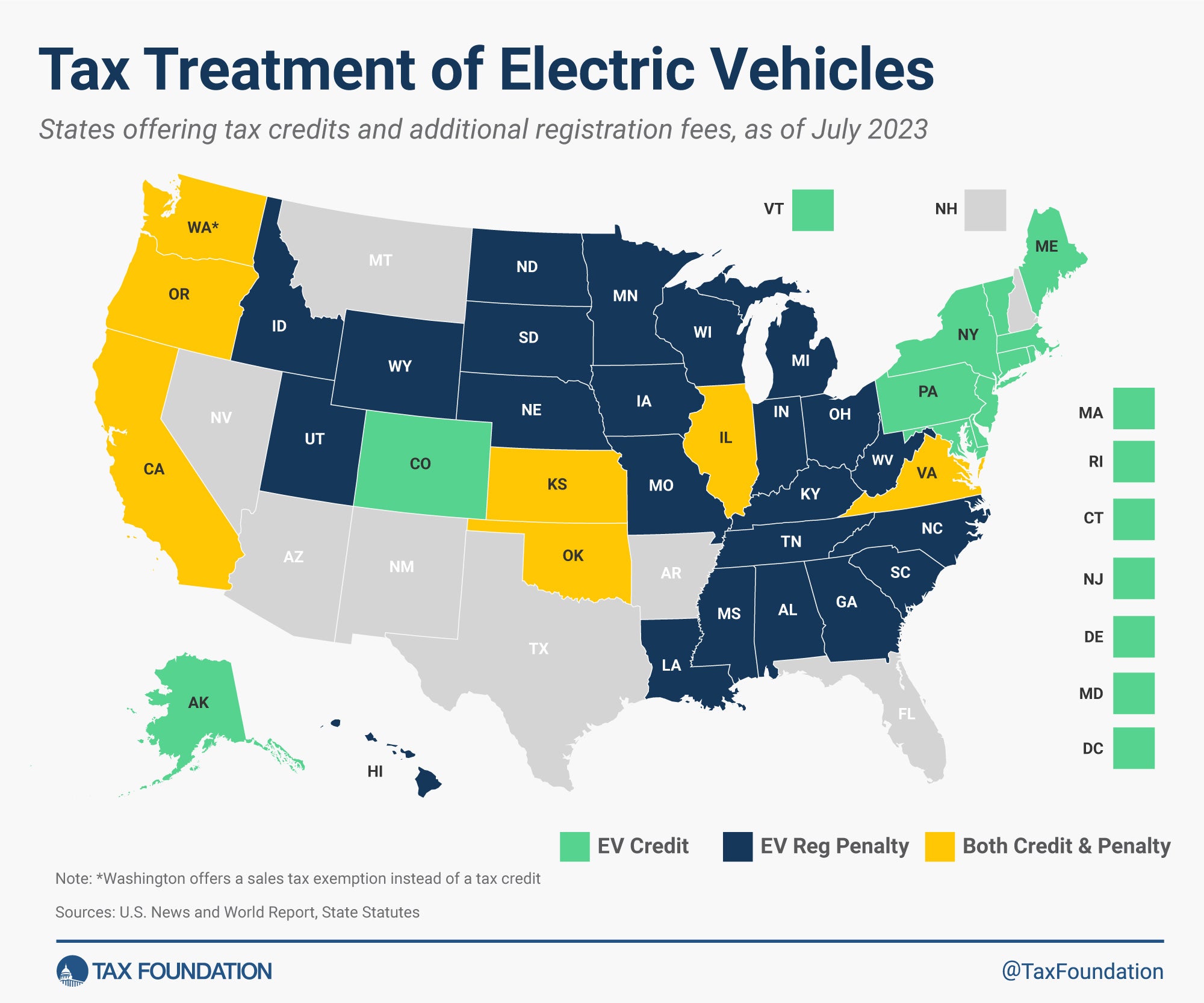
- North Carolina offers no state-level tax credits for EV purchases
- Federal tax credits of up to $7,500 for new EVs and $4,000 for used EVs are available
- Several EV charging infrastructure incentives exist in North Carolina
- The annual EV registration fee is $180 in addition to the standard $38.75 fee
Are you thinking about switching to an electric vehicle in North Carolina but feeling overwhelmed by the costs? You’re not alone. With gas prices fluctuating and concerns about the environment growing, many North Carolinians are considering EVs. But the upfront costs can seem daunting, and you might be wondering if there are any ways to offset this expense.
The truth is, without state-level incentives, the initial investment in an EV can put a significant dent in your wallet. You might find yourself questioning whether the long-term savings are worth the immediate financial strain. And let’s not forget about charging – the thought of installing a home charging station or finding public chargers might seem like another hurdle to overcome.
But don’t let these concerns steer you away from your eco-friendly aspirations just yet. While North Carolina may not offer direct EV purchase incentives, there are still ways to make the switch more affordable.
From federal tax credits to local utility programs supporting charging infrastructure, options exist to help ease your transition to electric driving.
Now let’s get into the details of the electric vehicle (EV) incentives and programs available in North Carolina. We’ll cover both federal and state-level offerings to give readers a comprehensive understanding of the benefits available to them.
Federal EV Tax Credits
The most significant incentive for EV buyers in North Carolina comes from the federal government.
Under the Inflation Reduction Act, eligible consumers can receive substantial tax credits for purchasing electric vehicles:
- New EVs: Up to $7,500 tax credit
- Used EVs: Up to $4,000 tax credit, limited to 30% of the vehicle’s sale price
It’s important to note that these credits are subject to certain conditions:
- Income limits: For new EVs, single filers must have a modified adjusted gross income under $150,000, while joint filers must be under $300,000. For used EVs, the limits are $75,000 for single filers and $150,000 for joint filers.
- Vehicle price caps: New cars must have a manufacturer’s suggested retail price (MSRP) of $55,000 or less, while vans, SUVs, and pickup trucks must be $80,000 or less.
- Manufacturing requirements: The vehicle must undergo final assembly in North America.
Wondering about the financial benefits of solar in North Carolina? Check out our comprehensive guide on solar panel costs in North Carolina to understand the investment and potential savings.
Starting January 1, 2024, consumers can transfer the credit to participating dealers at the point of sale, effectively reducing the purchase price immediately.
North Carolina State-Level Incentives
While North Carolina doesn’t offer direct state-level tax credits or rebates for EV purchases, there are some programs and incentives that support EV adoption:
- EV Charging Infrastructure Programs:
- Duke Energy’s Commercial Charger Prep Credit: This program offers a one-time credit to business customers to cover costs associated with preparing their sites for EV chargers, including electrical work and infrastructure upgrades for Level 2 or higher chargers.
- Greenville Utilities’ EV Charging Rebate Pilot Program: Homeowners can receive rebates of up to $1,500 for installing single or dual-port charging stations.
- State Agency Level 2 ZEV Charging Infrastructure Program: The North Carolina Department of Environmental Quality (NCDEQ) provides $739,839 in funding for Level 2 chargers at state agencies and attractions.
- Duke Energy Residential Rebate: Duke Energy offers residential customers a $1,133 rebate for electrical upgrades to support Level 2 or direct current fast charging (DCFC) stations.
- National Electric Vehicle Infrastructure (NEVI) Program: North Carolina is set to receive an estimated $109 million to build charging infrastructure under this federal program.
- EV Registration Fee: It’s worth noting that North Carolina imposes an annual $180 fee on EV owners, in addition to the standard $38.75 annual registration fee for gasoline vehicle drivers. This fee helps offset the loss of gas tax revenue and supports road maintenance.
- including exemptions from emissions inspections and unrestricted access to carpool lanes.
Duke Energy’s Commercial Charger Prep Credit
Duke Energy offers a one-time credit to business customers in North Carolina to help cover the costs associated with preparing their sites for EV chargers. This program is designed to support the installation of Level 2 or higher chargers.

Key features:
- Eligible upgrades include electrical work and infrastructure enhancements needed to support EV charging stations.
- The program is available for various types of businesses, including workplaces, multifamily dwellings, transit stations, and schools.
- The credit does not cover the actual installation of EV chargers, the cost of charging equipment, or permitting processes.
- There is no fixed deadline, allowing businesses to take advantage of this incentive at their convenience.
While the exact credit amount isn’t specified in the provided information, it’s designed to cover a significant portion of the preparation costs, making it easier for businesses to transition to EV-friendly infrastructure.
The Duke Energy rebate is just one of many incentives available for North Carolina homeowners. For a full picture of available savings, explore our Complete Guide to North Carolina Solar Incentives, Tax Credits, and Rebates.
To apply for this program:
- Visit the Duke Energy website (www.duke-energy.com/business/products/ev-complete/charger-prep-credit)
- Check eligibility requirements
- Choose between the Customer Credit Option or the Contractor Credit Option
- For the Customer Credit Option: Submit your paid invoice for completed work
- For the Contractor Credit Option: Duke Energy will help you choose an electrical contractor, and the credit will appear on your final bill
Greenville Utilities’ EV Charging Rebate Pilot Program
The Greenville Utilities Board of Commissioners has approved a pilot program offering rebates to customers who install electric vehicle charging stations at their homes.

Key features:
- Homeowners can receive rebates of up to $1,500 for installing single or dual-port charging stations.
- The program aims to encourage residential EV adoption by making home charging more affordable.
- There is no specified deadline, giving homeowners flexibility in planning their EV charging station installations.
To apply for this rebate:
- Visit the Greenville Utilities website (www.guc.com/electric/charging-station-rebate-businesses)
- Fill out the application form
- Provide proof of purchase and installation of an eligible single or dual-port charging station
- Submit the application and required documentation to Greenville Utilities
State Agency Level 2 ZEV Charging Infrastructure Program
The North Carolina Department of Environmental Quality (NCDEQ) has launched a program to support the installation of Level 2 chargers at state agencies and attractions.
Key features:
- The program offers $739,839 in funding specifically for Level 2 chargers.
- Projects can receive up to 100% of total project costs for publicly accessible, networked chargers.
- The program aims to enhance EV charging accessibility throughout the state.
- The deadline for applications was September 1, 2023.
While costs are important, rebates can significantly reduce your investment. Learn about one of the most significant rebates available in our article on the Duke Energy NC Solar Rebate Program for Homes.
To apply for this program:
- Visit the North Carolina Department of Environmental Quality (NCDEQ) website (www.deq.nc.gov/about/divisions/air-quality/motor-vehicles-and-air-quality/volkswagen-settlement/phase-2-volkswagen-settlement/level-2-infrastructure-program)
- Check eligibility requirements (state agencies and attractions)
- Complete the online application form
- Provide required documentation, including project details and cost estimates
- Submit the application before the specified deadline (Note: The most recent deadline was September 1, 2023, so check for updated application periods)
Duke Energy Residential Rebate
Duke Energy provides a rebate to residential customers in North Carolina for electrical upgrades to support EV charging infrastructure.
Key features:
- Residential customers can receive a $1,133 rebate for electrical upgrades to support Level 2 or direct current fast charging (DCFC) stations.
- The rebate is designed to cover a large portion or all of the cost of preparing a home for an EV charger.
- Eligible upgrades may include new wiring, panel upgrades, and other electrical enhancements directly related to enabling EV charger installation.
These incentives demonstrate North Carolina’s commitment to supporting EV adoption and infrastructure development.
While the state doesn’t offer direct purchase incentives for EVs, these programs help reduce the barriers to EV ownership by making charging infrastructure more accessible and affordable.
It’s important to note that program details, including funding amounts and deadlines, may change over time. Interested parties should check with the respective program administrators for the most up-to-date information and application procedures.
To apply for this rebate:
- Visit the Duke Energy website (www.duke-energy.com/home/products/ev-complete/charger-prep-credit)
- Verify your eligibility as a Duke Energy residential customer
- Complete the necessary electrical upgrades for Level 2 or DCFC charging
- Submit the required documentation, including proof of completed work and associated costs
- Follow the online application process on Duke Energy’s website
Understanding incentives is crucial, but so is knowing if solar is right for your home. Read our analysis on whether solar panels are worth it in North Carolina to make an informed decision.
Charging Infrastructure Growth
North Carolina has seen significant growth in its EV charging infrastructure. From 2021 to 2023, the number of DC fast-charging ports increased by 98%, while Level 2 charging ports grew by 42%. This expansion demonstrates the state’s commitment to supporting EV adoption and making charging more accessible.
While North Carolina may not offer as many state-level incentives as some other states, the combination of federal tax credits, utility programs, and infrastructure investments still provides substantial support for residents interested in transitioning to electric vehicles.
As EV adoption continues to grow, it’s possible that additional incentives may be introduced in the future. Remember to check with local utilities and government agencies for the most up-to-date information on available incentives, as these programs can change over time.
Final word
To wrap up, North Carolina offers a promising landscape for those considering the switch to solar energy. While the state may not have as many direct incentives as some others, the combination of federal tax credits, utility programs, and growing infrastructure support makes solar adoption increasingly attractive and affordable for North Carolina residents.
From Duke Energy’s rebates to the Greenville Utilities’ pilot program, there are various opportunities to offset the initial costs of going solar. The rapid growth in charging infrastructure and the potential for long-term savings make this an excellent time to consider making the switch to clean, renewable energy.
Ready to take the next step towards energy independence and savings? Don’t leave money on the table – get a personalized solar quote from trusted local installers today. By comparing offers, you can ensure you’re getting the best deal tailored to your specific needs and location in North Carolina. Take control of your energy future and start saving – request your free, no-obligation quotes now!

Ryan Fox is a leading solar energy consultant based in Raleigh, North Carolina. With over 10 years of experience in the renewable energy industry, Ryan has established himself as a trusted expert in helping both residential and commercial customers transition to clean, affordable solar power.
Subscribe to newsletter
Stay on top of the latest guides and tips on solar.
Related articles


Find Installers In Your City
Find the best solar installers in North Carolina in one click. Start your journey to savings today!